Effortless Ways to Install a New Shower Unit Like a Pro
Schedule Service NowHave you been hunting for selective information around How to Install a Shower Enclosure ?
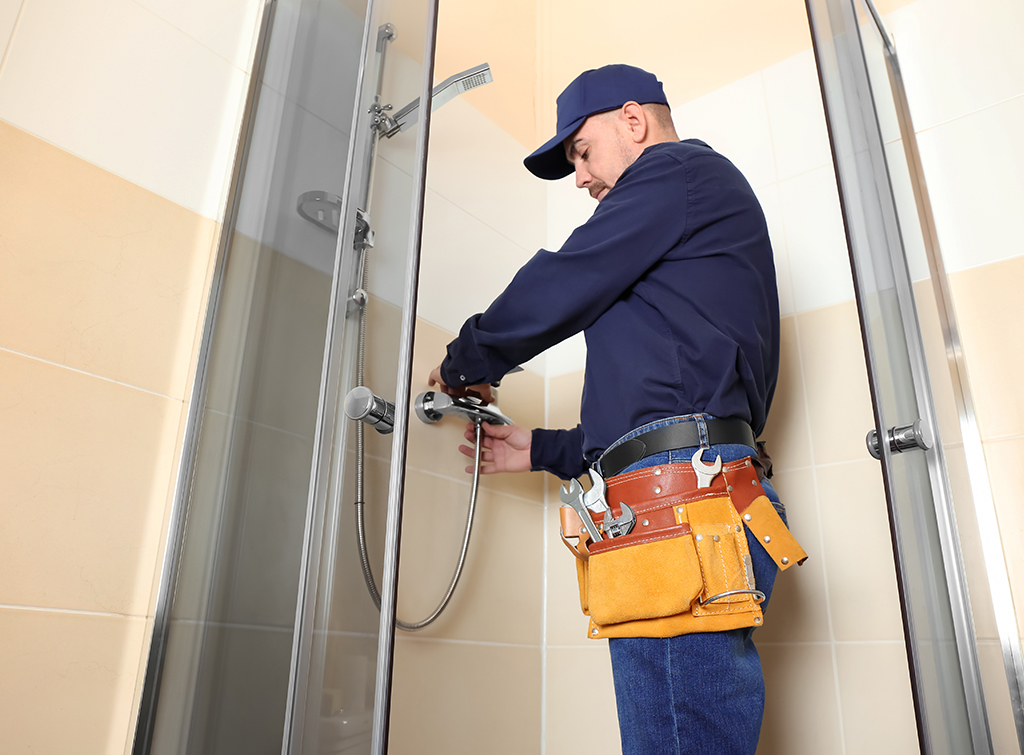
A successful shower setup calls for cautious planning as well as a lot of job. For the most part, you will certainly need to do three types of jobs: framing wall surfaces, setting up the plumbing, as well as finishing wall surfaces.
Prep work
First of all, you should select the kind of shower that you want to mount. It is important to identify whether the picked shower can dealing with certain systems and can control a safe degree of water with the boiler. Most shower systems nowadays are designed to be versatile to various water stress (such as stored warm water as well as cool mains).
It is likewise vital to take into consideration the water pressure and also the preparation of the piping and drain for the shower
Different Sorts Of Shower Units
Method
Depending upon the sort of shower you desire to mount, the shower head must either be fitted in order to prevent its contact with the water in the bathroom below or the base tray, or it should have a check valve.
Before starting, it is recommended to mark the settings of the shower head as well as control, and to plan the pipe-work entailed. In addition, the drain system to remove the waste water will certainly require to be intended. Both settings of the cable path as well as the shower switch will also require to be taken into consideration if an immediate or electric shower device is being set up.
Make use of the direction guide supplied with the shower system to fit the shower control.Before suitable the pipelines that will provide the water to the shower system, it is essential to remove the water system. In order to secure the pipelines, they must be given a water-proof covering as well as likewise fitted with separating valves. The pipes can then be hidden right into the wall surface and also glued over to neaten the general look.
Fit the base tray, shower head, and fittings.
Attach the major shower control to the pipelines that will certainly be supplying the water (This may call for a female screw thread adapter).
Reconnect the water supply and also test the pipelines for any kind of leakages, as some might require tightening up.
If you are mounting an electrical shower, remember to turn off the electricity supply before making any electric links. When these links have been made (there ought to be support within the user's manual), the power supply can be switched back on.
Readjusting Water Pressure to Match Your Shower
The cold water tank can be lifted to a better height (occasionally as little as 150mm (6inches)) by fitting a strong wooden support underneath it - perhaps made up of struts and also blockboards. If you pick this option, the primary and circulation pipes will additionally need to be elevated to meet the brand-new height of the storage tank.
Additionally, a booster pump (a solitary pump or a dual/twin pump) can be fitted. Whichever type is selected, it has to be connected into the power supply in order to operate.
Piping as well as Water drainage
It is best to use 15mm diameter supply pipes, and make the runs to the shower as short as well as straight as possible so as to maintain maximum pressure as well as minimise warmth loss. Additionally, by reducing making use of arm joints for pipe edges, you can reduce the resistance in the flow of the water. You can accomplish this by flexing the pipes rather.
Most Typical Blunders
How Do You Install a Shower? Follow This Guide
Installing a Shower at a Glance
Tools & Materials: Level, electric drill, caulk, hole saw, cedar shims, shower unit Step 1: Drill pilot holes Step 2: Prep fixture holes Step 3: Move unit into place Step 4: Caulk corners and base Step 5: Attach door Step 6: Install shower pan Whenever plumbing is involved in a DIY project, people worry about what might go wrong. The truth is that installing a shower isn’t that complicated, and you can save a lot of money by doing it yourself. You shouldn’t need to make any alterations to your plumbing to complete the job, and most of the tools you need will be provided in your new shower kit.
Can I Install a Shower Myself?
Even if you’ve never installed a shower before, you’ll find this to be a project that is perfectly suited for DIYers with a moderate level of experience. Whether you're doing a bathtub conversion or installing a new stall, most of what you need comes in shower kits that you can purchase from a hardware store. The first thing you need to do is determine what type of shower stall you want.
Single-panel stalls are the easiest to install because they come preassembled. All you need to do is put them in place. Multi-panel showers require a few additional steps, but you’ve got more control over the appearance of your unit. Multi-panel units are also much easier to handle if you’re going to do the installation without any help.
Be sure to take all appropriate safety precautions, such as wearing eye protection and gloves. When you’re removing or installing a shower unit, you might kick up debris that could hurt your eyes. You’ll also need to work with equipment that will get extremely hot, so be sure to have safety gloves handy.
Tools and Materials
2- to 4-foot level Electric drill with a 1/8-inch drill bit Caulk 2-inch hole saw Cedar shims The unit itself Before You Begin: Prep the Space
It’s highly important to measure your space accurately before putting the stall in. Measuring from the floor upward and from each corner outward will ensure you’ve got the right measurements. What you’re looking for is where the plumbing apparatuses are going to come through the stall. Transfer these measurements over to the back of your unit by drawing the locations of these holes using a pencil or marker.
Pull out your old shower and make sure to scrape off all the old caulking. Be thorough because you want to work with smooth surfaces for the best installation. Once you’ve pulled out your existing shower, you need to make sure that the floor is clean and dry. The best way to clean debris is with a shop vacuum, as it’ll soak up water and dirt together.
If you’re experiencing any plumbing issues, such as low water pressure, this is a perfect opportunity to solve them. Make sure that the pipes themselves are not in need of patching and clean your showerhead. When you turn the water back on after your project, check the pipes for signs of wear or disrepair. Anything beyond minor repairs should be handled by a plumber, and this is the best time to bring in a professional.
If the floor has any moisture at all, don’t proceed until it’s completely dry. The last thing you need is for the floor to rot or invite mold and mildew into your base. Once everything is dry, apply waterproof wallboard to the walls. This can be attached with screws or nails, then sealed with caulk so that water doesn’t seep into any crevices.
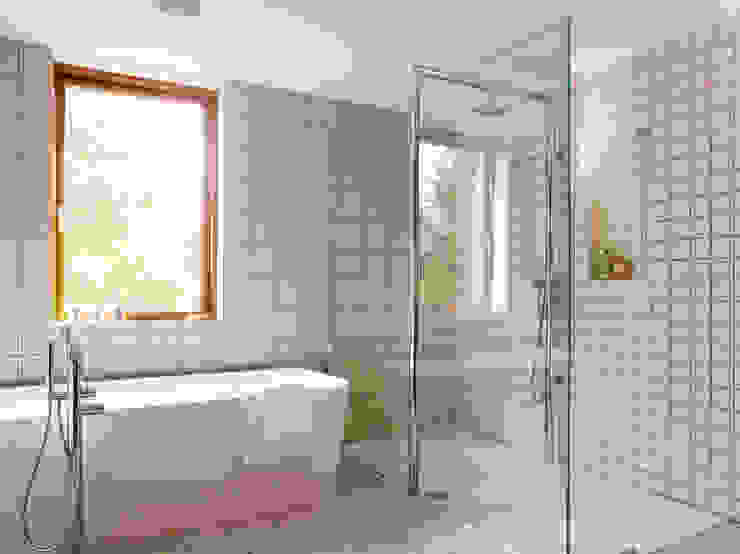
I recently found that blog entry about Simple ways to Install a Shower Cubicle on Your Own while doing a search on the internet. Feel free to take the time to promote this content if you enjoyed reading it. Thanks a bunch for your time. Visit us again soon.
Click Here